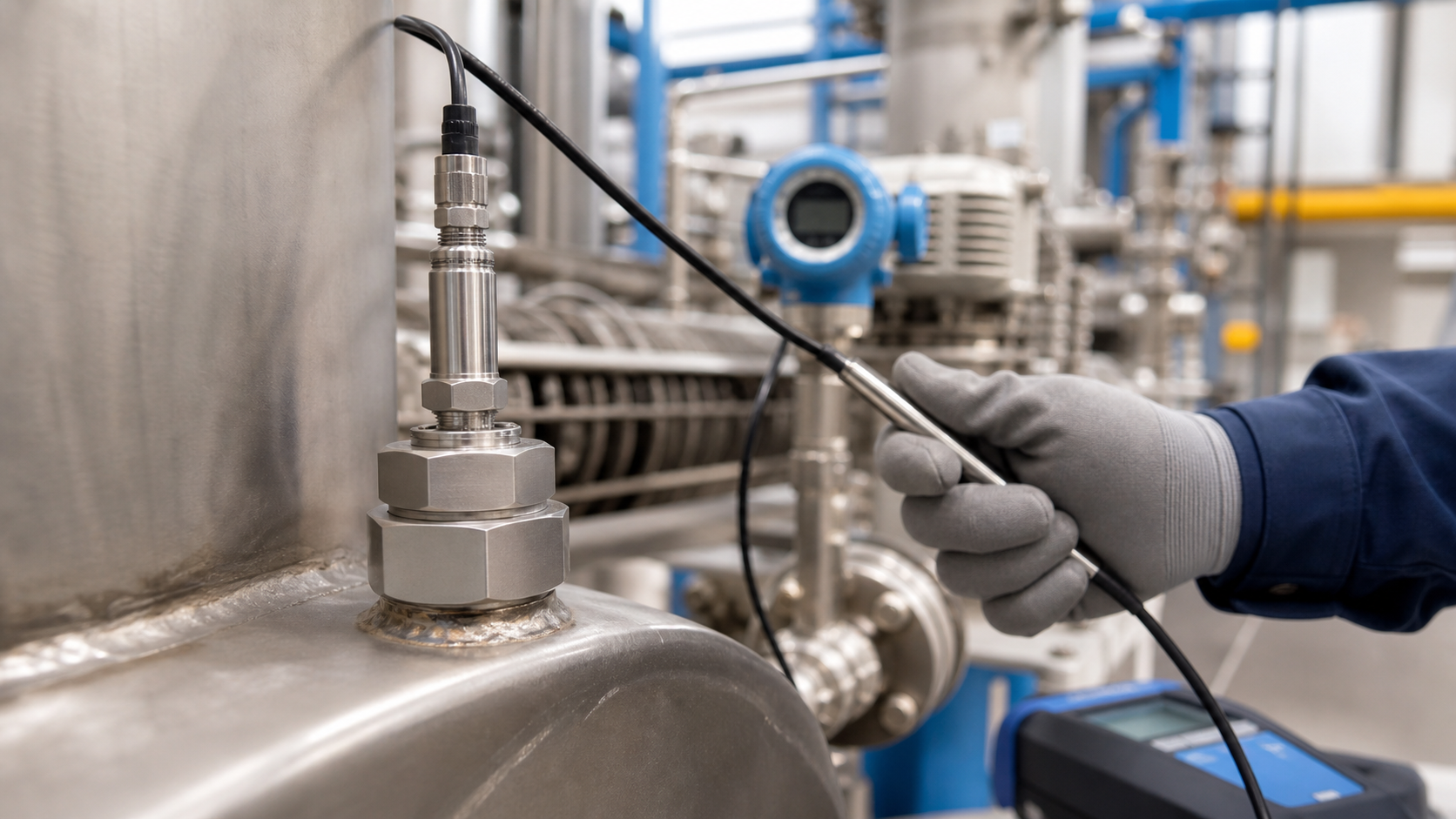
High temperature test points give engineers and maintenance teams a reliable place to take temperature readings from equipment that operates under heat, pressure or repeated thermal cycling.
In simple terms, they provide a consistent measuring point. That means checks can be carried out more safely, more repeatably and with less disruption to the equipment around them.
For industrial environments, that consistency matters. A quick temperature check is only useful if the reading reflects the real condition of the system.
If teams have to improvise a measuring location every time, results can vary from one inspection to the next. A properly selected test point helps remove that uncertainty.
What Is a High Temperature Test Point?
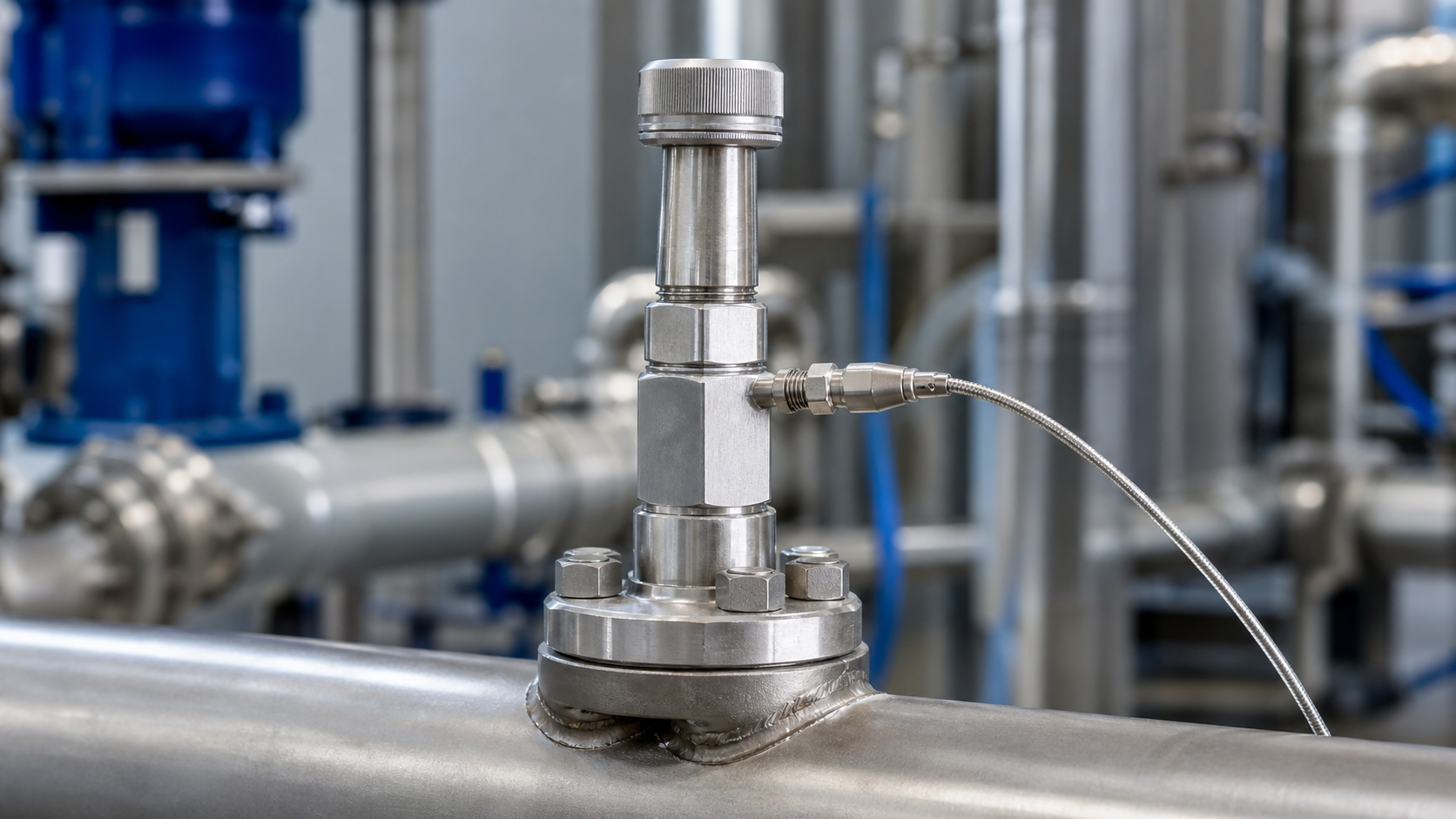
A high temperature test point is a dedicated access point fitted to equipment, pipework or a process area.
It allows a probe or measuring instrument to be used at the same location each time. The test point is designed to withstand elevated temperatures while giving maintenance teams a practical way to monitor equipment.
Depending on the application, a test point may be used during routine inspection, commissioning, fault finding or planned maintenance.
The aim is not just to take a reading. It is to take a reading from a known, repeatable and suitable location.
Why Repeatable Temperature Readings Matter
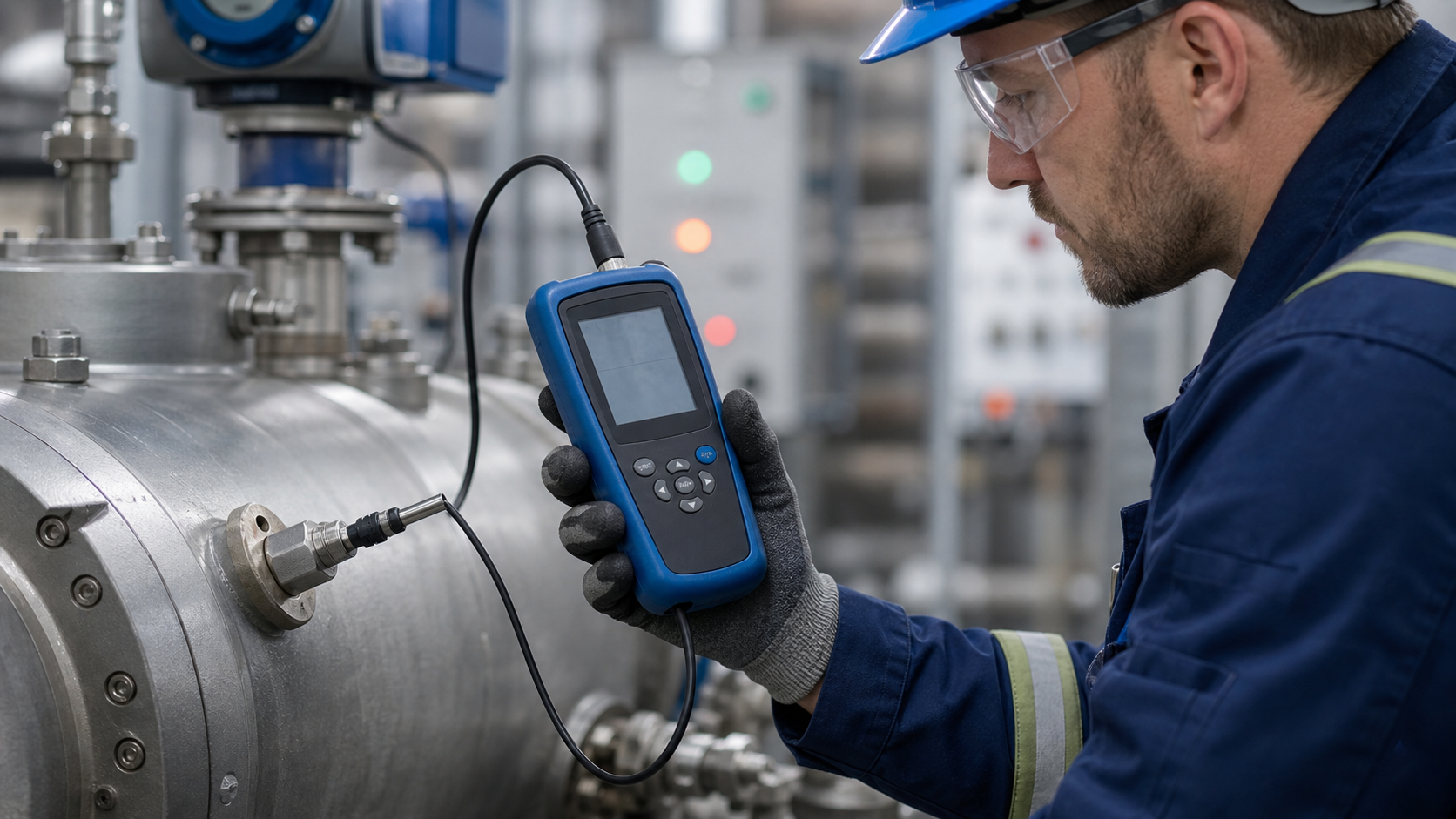
Temperature readings can influence maintenance decisions, production schedules and safety checks.
When readings are inconsistent, teams may struggle to tell whether a change is caused by the equipment itself or by the way the measurement was taken.
A fixed test point helps improve repeatability by giving engineers:
- a consistent measuring location
- better access for routine checks
- reduced variation between different operators
- clearer comparison between historical readings
- a more practical way to monitor hard-to-reach areas
Over time, this can make trends easier to identify. If a component is running hotter than usual, the team can respond sooner and with more confidence.
When Should You Use a High Temperature Test Point?

High temperature test points are most useful where heat is a normal part of the process and accurate checks are needed over time.
They are especially valuable when access is limited, surfaces are difficult to measure consistently, or downtime needs to be kept to a minimum.
Use one for routine maintenance checks
If temperature readings form part of a planned maintenance schedule, a test point makes the process faster and more consistent.
Engineers can return to the same location during each inspection instead of deciding on a new measurement point every time.
Use one where equipment operates at elevated temperatures
Applications involving heated surfaces, pipework, thermal systems or high temperature process equipment often benefit from dedicated measurement access.
The test point must be suitable for the expected operating temperature and the surrounding environment.
Use one when measurement accuracy affects decisions
If readings are used to decide whether equipment needs adjustment, repair or further investigation, the measuring point should be dependable.
A poor reading can lead to unnecessary work, missed faults or avoidable downtime.
Use one in hard-to-access or safety-sensitive areas
In some locations, taking a reading directly from the surface can be awkward or unsafe.
A dedicated test point can make checks easier to perform while reducing the need for improvised access.
What to Consider When Choosing a Test Point
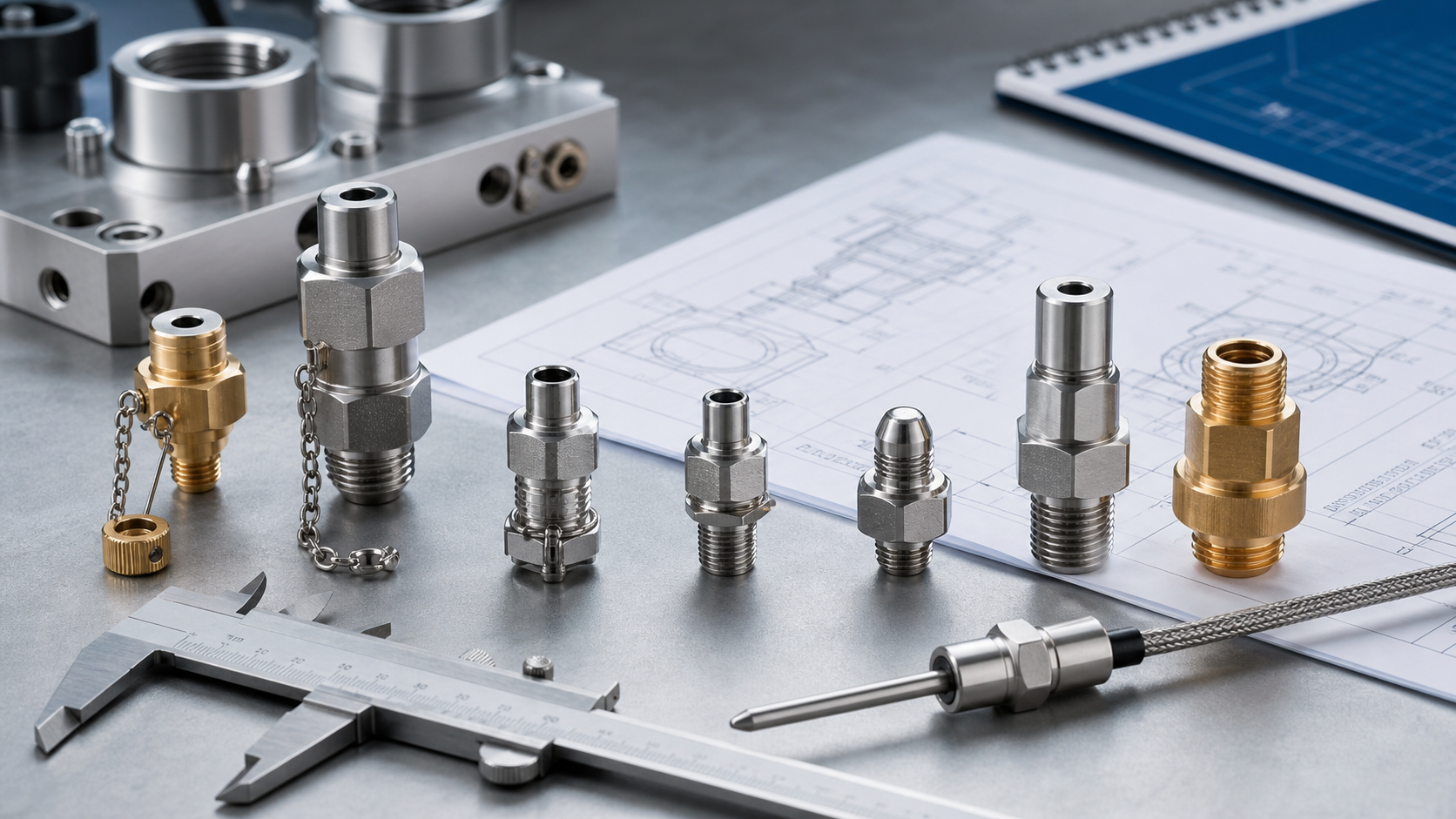
The right test point depends on the equipment, temperature range and operating environment.
Before choosing a component, consider:
- Temperature rating: the test point should be suitable for the maximum expected operating temperature.
- Material: stainless steel may be preferred for harsh, corrosive or high-temperature environments.
- Access: the location should allow practical measurement during maintenance.
- Durability: the component should withstand vibration, heat cycling and site conditions.
- Compatibility: the test point should suit the measuring method and equipment layout.
For many industrial settings, stainless steel test points are a strong option. They offer durability and resistance to demanding conditions.
For lower-risk applications, other materials may be suitable depending on the environment and measurement requirements.
How Test Points Help Reduce Downtime

Small components can have a big effect on maintenance efficiency.
When engineers can take readings quickly and consistently, it becomes easier to spot changes before they become larger failures.
That supports better planned maintenance and reduces the chance of reactive repairs.
High temperature test points can help teams:
- monitor equipment condition more consistently
- confirm performance after installation or repair
- investigate unusual heat patterns
- reduce time spent locating suitable measurement points
- build a clearer record of thermal performance over time
Choosing Support for Your Application
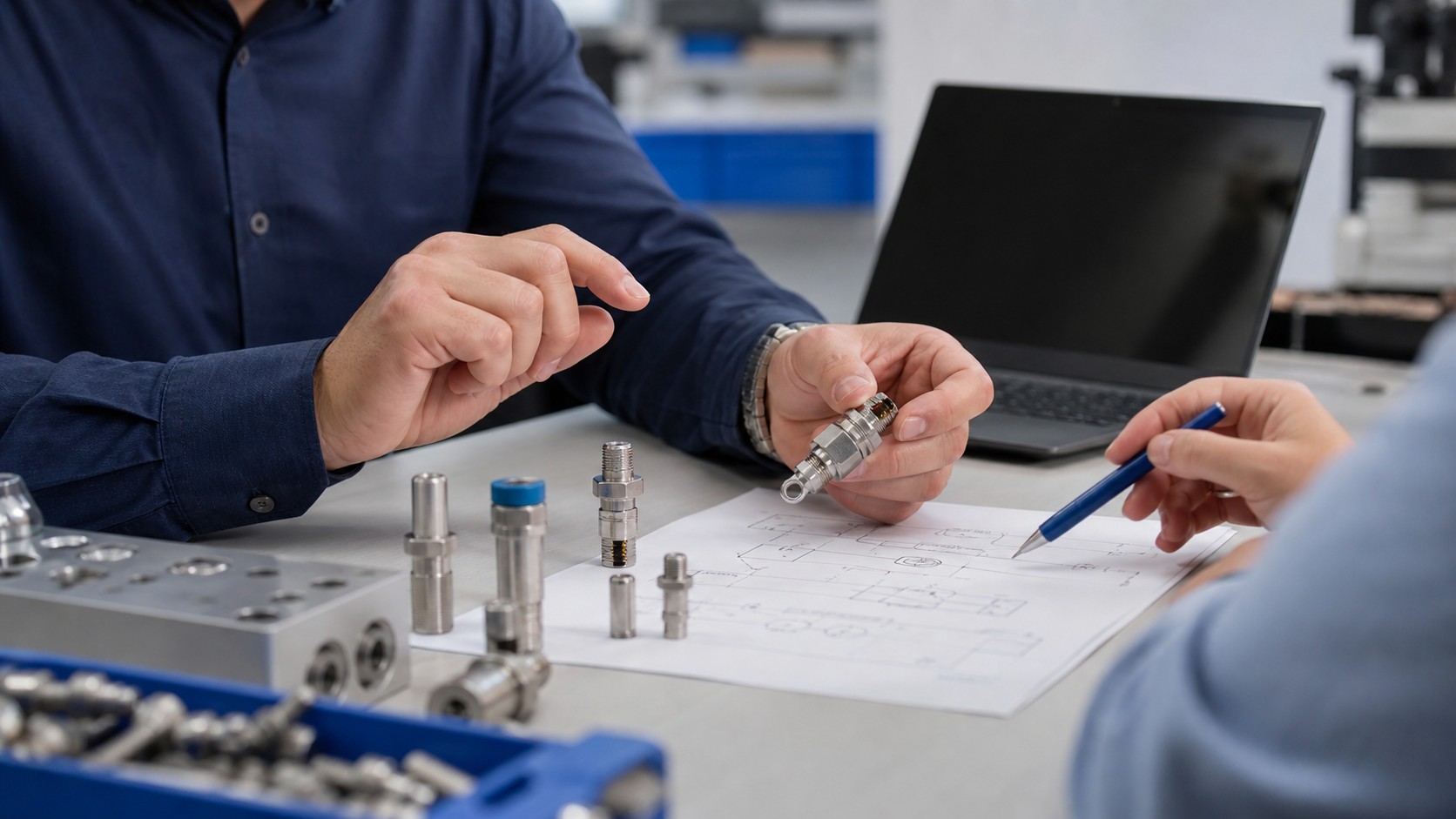
If you are unsure which test point is right for your application, start with the temperature range, material requirements and how the reading will be taken during normal maintenance.
A suitable test point should make the job easier without introducing unnecessary complexity.
TIG supplies high temperature test points and instrumentation products for industrial and trade customers.
You can browse products in the TIG shop, apply for a trade account, or contact the team for help choosing the right option.
Final Thoughts

A high temperature test point is a simple but important part of an effective measurement setup.
By giving engineers a reliable place to take readings, it supports safer inspections, better trend monitoring and more confident maintenance decisions.
In demanding environments, that reliability can make a meaningful difference.
